

Preparing your Rhode Island garden for spring comes down to timing, soil health, and picking plants that actually belong in USDA Zones 6b through 7b. Most of what you’ll read online about spring gardening is written for a generic “Zone 6” audience somewhere in the Midwest. Rhode Island isn’t that. You’re dealing with acidic soils shaped by coastal rainfall, salt air that burns tender transplants, and a growing season that can swing from 140 to 165 days depending on whether you’re inland near Foster or on the coast in Narragansett.
This guide covers the steps that matter most: testing and fixing your soil, choosing vegetables and flowers matched to RI’s frost calendar, mulching correctly (most people get this wrong), watering without running up your bill, managing pests, pruning at the right time, and building a composting habit that pays for itself within a single season. We won’t cover hardscape projects or lawn renovation here. Those are different conversations.
The short version: get a soil test from URI Cooperative Extension before you buy a single bag of compost, start cool-season seeds indoors by early March, and don’t rush warm-season transplants outdoors until after May 10 in most parts of the state. Nail those three things and you’re ahead of 90% of Rhode Island gardeners.
Why Does Soil Prep Matter More Than Anything Else?
Your soil determines whether $200 worth of plants turns into a productive garden or an expensive compost pile. I’ve seen homeowners in Warwick and Cranston spend entire weekends planting, only to watch everything yellow within three weeks because their pH was sitting at 5.2. Rhode Island soil tends to run acidic. That’s a product of our above-average rainfall (around 47 inches annually, per NOAA data) leaching calcium from the topsoil, plus the granite and shale bedrock underneath.
Before you touch a shovel, test your soil. The University of Rhode Island’s Master Gardener Program offers free soil pH testing from March through October at events statewide and at their Kingston campus. For a deeper nutrient analysis, send a sample to UConn’s Soil Nutrient Analysis Lab or UMass for about $15 to $20. Either way, test every two to three years.
How Do You Test Your Soil in Rhode Island?
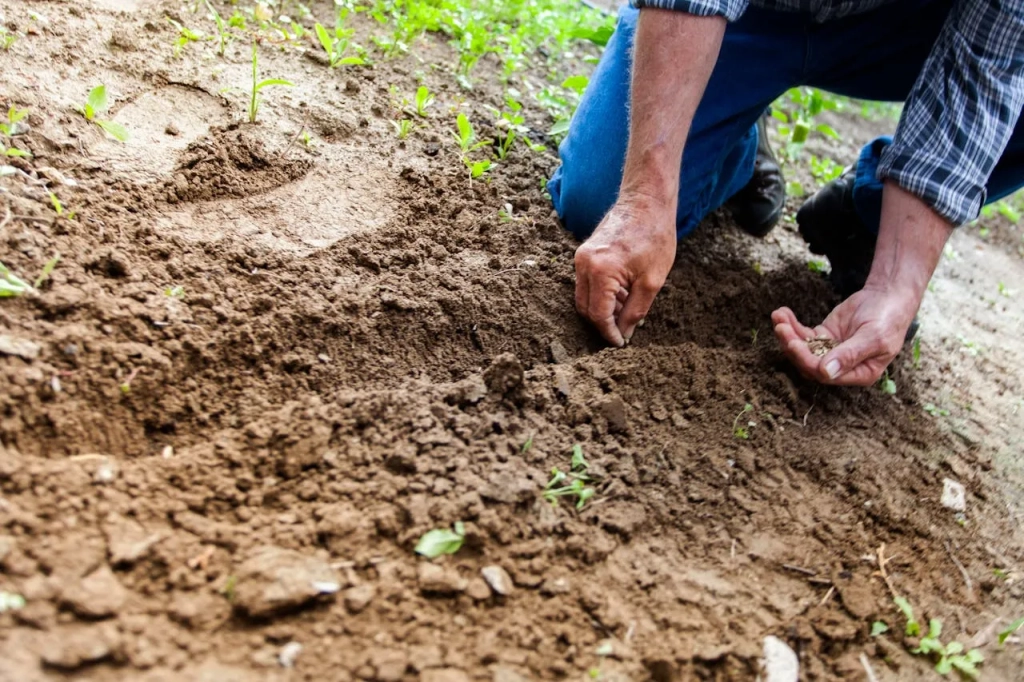
Dig about half a cup of soil from 4 to 6 inches deep. Take samples from several spots in the same bed, mix them, and let the soil air-dry on newspaper before bagging it. Label each bag by area (“vegetable bed,” “front border,” etc.).
You’re looking for a pH between 6.0 and 7.0 for most vegetables and ornamentals. If you’re below 6.0, you’ll need to add pelletized lime. If you’re above 7.0 (rare in RI but it happens near concrete foundations), granular sulfur brings it down. Don’t guess at quantities. Your test results will tell you exactly how many pounds per 100 square feet.
Here’s the contrarian take most articles skip: store-bought pH meters under $30 are basically useless. Spend the $15 on a real lab analysis or use URI’s free service. The cheap probe stays in the drawer.
Fixing Soil Texture and Adding Organic Matter
Once you know your pH, it’s time to work on structure. For new beds, loosen soil 8 to 12 inches deep with a garden fork (not a rototiller, which destroys soil structure over time). Remove rocks, roots, and debris as you go.
Spread 2 to 3 inches of compost or aged manure across the bed. Don’t exceed 4 inches. More isn’t better. Excess organic matter can create nitrogen tie-up, where microbes consume nitrogen faster than plants can access it.
For established beds, skip the digging entirely. Lay compost on top and let earthworms do the mixing. This no-till approach preserves the soil food web and keeps dormant weed seeds buried where they belong. A 2023 study published in the journal Soil & Tillage Research found no-till plots had 37% greater earthworm density compared to tilled plots after three growing seasons.
Which Plants Actually Work in Rhode Island’s Spring Climate?
Rhode Island’s last frost date varies by location. For Providence and the I-95 corridor, you’re typically safe after April 20 to 25. Coastal towns like Newport and Narragansett can push that a week earlier. Inland areas north of Woonsocket? Wait until May 10 or later. The Old Farmer’s Almanac frost date calculator gives averages by zip code.
Cool-Season Vegetables Worth Starting Early
Start these indoors 6 to 8 weeks before your expected last frost:
Spinach, lettuce, kale, and Swiss chard are the safest bets. They tolerate light frost down to 28°F and actually taste better after cold exposure. Carrots, beets, and radishes should be direct-sown into beds as soon as the ground is workable (usually mid-March in southern RI). Peas go in the ground by St. Patrick’s Day if you can get a trowel into the soil.
The mistake I see constantly? People start tomatoes and peppers indoors in February. Those are warm-season crops. They don’t go outside until late May at the earliest, and starting them too early produces leggy, weak transplants. Six weeks before transplant is the sweet spot for tomatoes. That means mid-April sowing for a late-May outdoor date.
Annual Flowers That Hold Up in RI Springs
Pansies and violas are your earliest options. They handle frost and bloom from March into June. Snapdragons go in after the last frost and add vertical structure that most gardens lack. Marigolds are the workhorse annual: they bloom all season, repel certain pests (aphids hate them), and cost under $3 per six-pack at most RI garden centers.
Petunias and zinnias round out the lineup for full sun. For shaded spots, impatiens remain the go-to, but they’ve had disease issues (impatiens downy mildew) in the Northeast since 2012. New Guinea impatiens are resistant and worth the slight price premium. If you’re designing a garden that looks good year-round, layer these annuals in front of perennial plantings.
How Should You Apply Mulch the Right Way?
Mulch is the single highest-return task in spring garden prep. A 2 to 3 inch layer reduces water evaporation by up to 70%, according to research from Virginia Tech’s College of Agriculture, and cuts weed pressure dramatically. But the technique matters.
Timing: Wait until the soil warms to at least 55°F, typically mid-April in RI. Mulching too early traps cold and delays root growth.
Depth: 2 to 3 inches is the target. Under 2 inches won’t block weeds. Over 4 inches suffocates roots and invites fungal problems.
Spacing: Keep mulch 1 to 2 inches away from plant stems and 3 to 4 inches from tree trunks. “Mulch volcanoes” piled against trunks cause bark rot. I see this on roughly half the properties I visit.
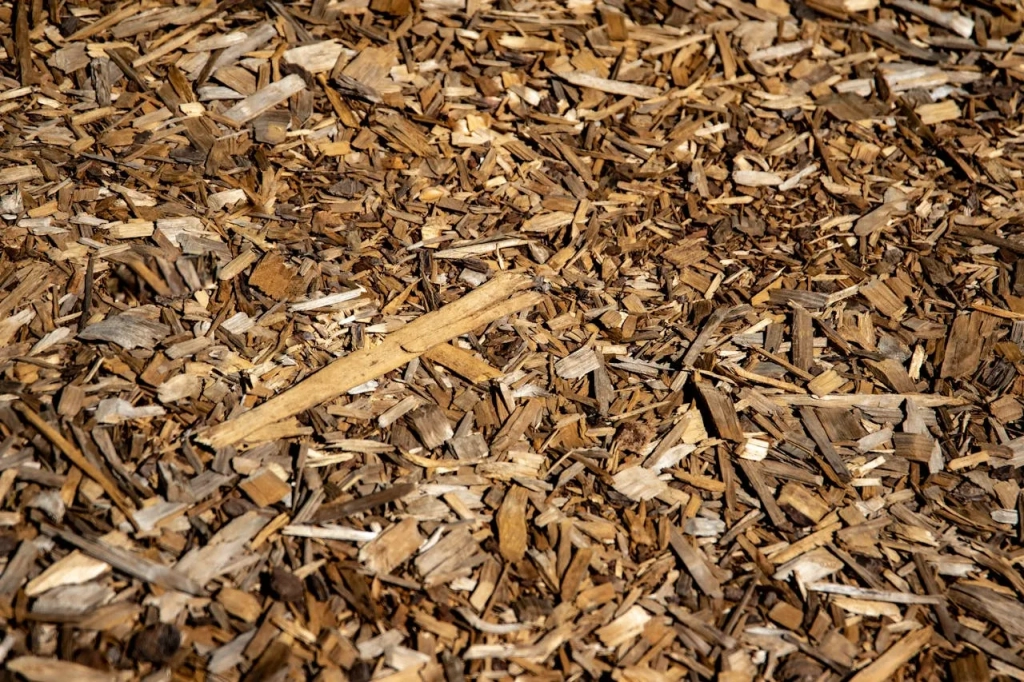
Material: Shredded hardwood bark is the best all-around choice for RI garden beds. It decomposes slowly, stays in place during nor’easters, and feeds the soil as it breaks down. Pine straw works for acid-loving plants like blueberries and azaleas. Rubber mulch and dyed mulch are a waste of money for garden beds. They don’t improve soil and some dyed products leach chemicals.
What Does Mulch Cost in the Northeast?
| Mulch Type | Materials/yd³ | Installed/yd³ | Coverage (3″) |
| Hardwood bark | $30–$65 | $60–$110 | 108 sq ft |
| Pine straw | $20–$55 | $45–$90 | 108 sq ft |
| Cedar mulch | $40–$80 | $70–$130 | 108 sq ft |
| Rubber (not recommended) | $80–$160 | $100–$180 | 108 sq ft |
Sources: LawnStarter (Dec 2025), HomeGuide (Apr 2025), Fixr.com (2025). Northeast pricing runs 15–25% above national averages due to shorter installation seasons.
After spreading mulch evenly with a rake, water it lightly to settle it in place. Check the depth mid-summer and top off thin spots as organic mulch decomposes. If you’re dealing with large beds or full-property coverage, buying bulk by the cubic yard saves 30–40% compared to bagged mulch from a box store.

Watering Your Spring Garden Without Wasting Money
Water in the early morning, between 6 and 9 AM. This gives leaves time to dry before evening, which reduces fungal disease risk. Evening watering is the second most common mistake I see (after overwatering).
Drip irrigation beats sprinklers for garden beds. It delivers water directly to the root zone, cuts water use by 30–50% compared to overhead sprinklers, and keeps foliage dry. A basic drip kit for a 100-square-foot bed runs $25 to $40 at most hardware stores.
Rain barrels are worth the investment in Rhode Island. A 55-gallon barrel fills up fast with our annual rainfall, and that water is free of the chlorine and chloramines found in municipal supplies. The EPA recommends rainwater harvesting as a practical stormwater management tool for homeowners. Just make sure your barrel has a screen to keep out mosquitoes and debris.
What’s the Best Way to Handle Pests Naturally?
The garden internet loves to say “plant marigolds and your pest problems disappear.” That’s an oversimplification. Marigolds do repel certain nematodes in the soil, and their scent deters some aphids. But they won’t stop Japanese beetles, squash vine borers, or deer.
A better approach is building a system. Plant flowers like cosmos, sweet alyssum, and yarrow to attract ladybugs, lacewings, and parasitic wasps. These beneficial insects eat aphids, caterpillar eggs, and whiteflies by the hundreds. One ladybug consumes roughly 5,000 aphids in its lifetime.
For deer (a real problem in Tiverton, Little Compton, and parts of South County), a 7-foot fence is the only reliable deterrent. Deer-resistant plantings help at the margins, but a hungry deer in late winter will eat almost anything. Neem oil spray handles most soft-bodied insects, and food-grade diatomaceous earth works on slugs and crawling pests. Skip the chemical pesticides in food gardens. They kill beneficial insects too, and you end up worse off by July.
Landscaping that supports the local ecosystem naturally keeps pest populations in check because you’re not wiping out the predators along with the prey.
Spring Pruning for Trees and Shrubs in 2026
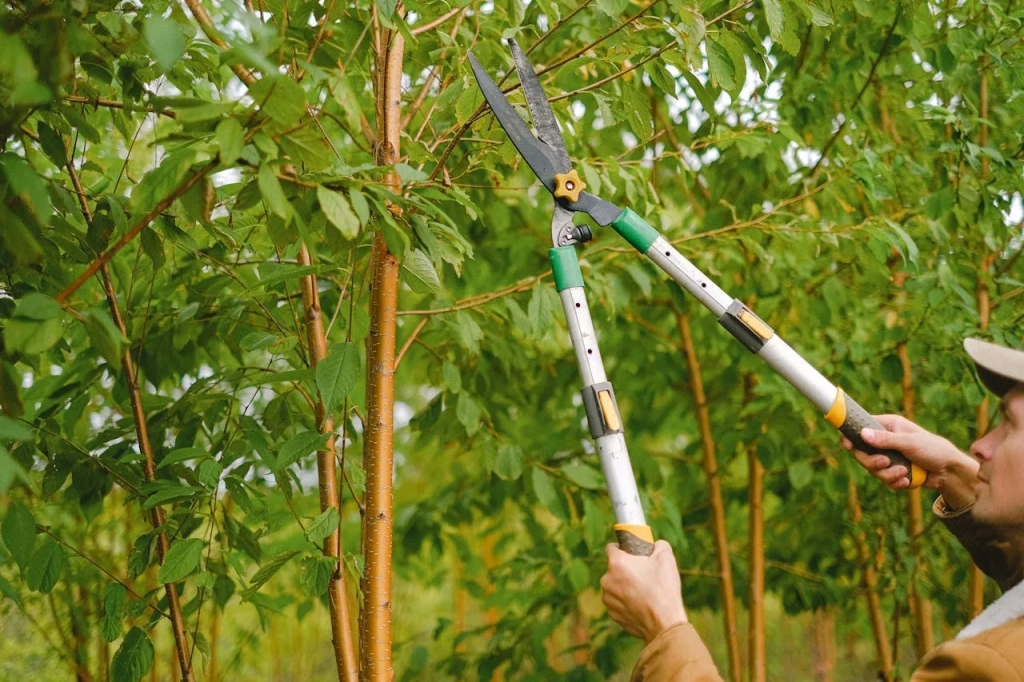
Prune dead, diseased, and damaged wood from trees and shrubs in late February through early March while plants are still dormant. Use sharp, clean bypass pruners for branches under 3/4 inch and loppers or a pruning saw for anything larger. Dull tools crush stems and invite disease.
The timing question trips people up. Here’s the rule: if a shrub blooms on old wood (lilacs, forsythia, rhododendrons), prune right after it flowers. Cutting these in early spring removes the buds you’d otherwise enjoy. Shrubs that bloom on new wood (hydrangea paniculata, butterfly bush, roses) get pruned in late winter before growth starts.
Cut at a slight angle just above an outward-facing bud. This directs new growth away from the center of the plant, improving air circulation and reducing disease. Remove crossing branches, water sprouts (those vertical shoots coming off horizontal limbs), and anything growing inward. If you’re working with mature trees and complex shrub borders, a professional arborist is money well spent. Bad pruning cuts can take years to recover from.
Composting and Sustainable Garden Practices
Composting turns kitchen scraps and yard waste into free fertilizer. A basic bin setup costs under $50, and finished compost is worth $30 to $60 per cubic yard if you were buying it commercially. The EPA’s composting guide estimates the average American household generates over 300 pounds of food waste per year. That’s a lot of free fertility going to the landfill.
The ratio matters: aim for 3 parts brown material (dried leaves, cardboard, straw) to 1 part green (vegetable scraps, coffee grounds, fresh grass clippings). Turn the pile every two weeks with a pitchfork to introduce oxygen. Keep it as moist as a wrung-out sponge. Too wet and it goes anaerobic and smells terrible. Too dry and decomposition stalls.
In Rhode Island’s climate, a well-managed pile produces usable compost in 3 to 4 months during the warm season. You’ll know it’s ready when it’s dark, crumbly, and smells like earth (not rotting food). Sieve out anything that hasn’t broken down and toss it back in.
If you want a garden that works with nature instead of against it, composting is the foundation. It closes the loop between what you grow and what feeds the soil for next season.
Spring garden prep in Rhode Island isn’t complicated, but it does reward doing things in order. Test your soil before you amend it. Start seeds based on actual frost dates, not calendar assumptions. Mulch after the soil warms, not before. Water at the roots, prune with a plan, and let composting become a year-round habit. That sequence, done right, is the difference between a garden that struggles through June and one that produces all season long.
And if the scope of the project is bigger than a weekend allows, working with a team that understands Rhode Island’s growing conditions from the ground up makes the difference between guessing and getting it right the first time.
Frequently Asked Questions
When is the last frost date in Rhode Island?
For most of Rhode Island along the I-95 corridor and south coast, the average last frost falls between April 16 and April 30. Northern inland areas can see frost as late as May 15. The Old Farmer’s Almanac provides zip-code-specific averages. Always watch your local forecast, because averages don’t account for late-season cold snaps that hit every few years.
How do I get my soil tested in Rhode Island for free?
URI Cooperative Extension’s Master Gardener Program offers free soil pH testing from March through October. Bring a dry soil sample to their Kingston campus or any statewide GIST booth event. For a full nutrient panel, send samples to UConn or UMass soil labs for $15 to $20.
What USDA hardiness zone is Rhode Island in?
Rhode Island spans zones 6b through 7b on the 2023 USDA Plant Hardiness Zone Map. Inland towns like Foster and Scituate are cooler (6b), while coastal areas including Newport, Narragansett, and Block Island fall in warmer zones 7a to 7b. Your zone determines which perennials survive winter.
How much does mulch cost to install in Rhode Island?
In the Northeast, professionally installed mulch runs $60 to $165 per cubic yard, including materials, delivery, and labor. DIY costs drop to $30 to $65 per cubic yard for materials only. One cubic yard covers about 108 square feet at 3 inches deep, according to LawnStarter’s 2025 pricing data.
Can I plant tomatoes in Rhode Island in April?
No. Tomatoes are warm-season crops that need soil temperatures above 60°F to thrive. Plant tomato transplants outdoors after May 20 in most of RI. Starting seeds indoors in mid-April gives you strong, 6-week-old transplants ready for late May planting.
What is the best mulch for Rhode Island gardens?
Shredded hardwood bark is the best general-purpose mulch for RI gardens. It resists wind displacement during storms, breaks down slowly to feed the soil, and costs $30 to $65 per cubic yard. Pine straw is the better pick for acid-loving plants like blueberries, azaleas, and rhododendrons.
How often should I turn my compost pile?
Turn your compost every two weeks for the fastest results. A pile turned regularly produces finished compost in 3 to 4 months during Rhode Island’s warm season. Piles left unturned still decompose, but they can take 6 to 12 months and are more likely to develop odor problems from anaerobic conditions.