
Hidden Winter Damage In Coastal Gardens (What Most Homeowners Miss)
Most winter damage in coastal gardens doesn't announce itself. Ice coats your trees and shrubs slowly, adding pounds of invisible weight. Salt spray drifts in from the shoreline and burns tissue you won't see until April. By the time leaves should be filling in, you're staring at bare crowns and brown edges with no idea what went wrong. Hidden winter damage in coastal gardens is the single biggest reason Rhode Island homeowners lose mature plantings they spent years growing. According to IBISWorld's 2025 data, the U.S. tree trimming market hit $39.5 billion, driven largely by storm recovery work. That money gets spent after the damage. The smarter play is catching problems before they compound.
Winter damage in coastal gardens refers to harm caused by ice accumulation, freeze-thaw cycling, salt exposure, and wind stress on trees and shrubs near the shoreline. Sandy soils and ocean salt spray make coastal properties far more vulnerable than inland landscapes to branch breakage, root heaving, and long-term plant decline.
What Does Winter Damage Actually Look Like in Coastal Gardens?
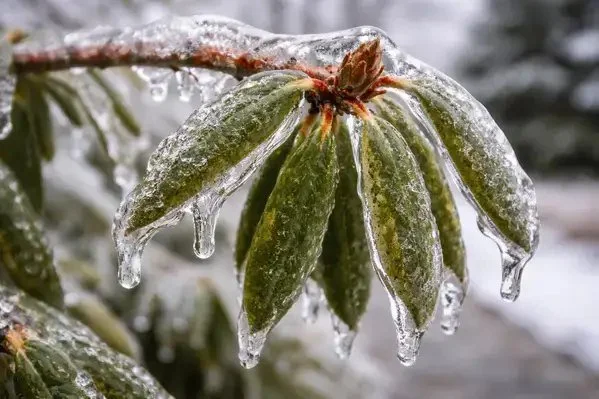
Ice damage is the obvious culprit. Water freezes on branches, sometimes adding 30 times the weight of the branch itself. But the visible breaks are only the beginning. Broadleaf evergreens like rhododendrons and arborvitae catch and hold ice the way a satellite dish catches rain. Even branches that don't snap get their internal fibers stretched and weakened. That shrub looks fine in March. By June, you've got dieback you can't explain. The Tree Care Industry Association's December 2024 advisory stressed that the hidden structural damage from ice kills plants months later.
Then there's the freeze-thaw cycle. Rhode Island's coastal zone can swing 30 degrees in a single week plant and tree care specialists know that repeated freezing and thawing pushes roots right out of sandy soil. That's frost heaving, and it's invisible until the plant starts leaning in spring.
How to Prevent Winter Damage Before It Starts
Prevention costs a fraction of what emergency cleanup runs. Angi and HomeAdvisor reviews from 2024 and 2025 show Cape Cod and Rhode Island homeowners paying $3,600 to $7,700 for post-storm tree work. Routine annual pruning? A few hundred dollars per tree. The math isn't close.
Pick Plants That Can Handle Coastal Winters
Not every tree belongs near the coast. Red oaks, sugar maples, white pines, Eastern red cedar, and pitch pine handle New England winters well. They have flexible wood and strong branch unions that shed ice faster than broadleaf species. The ones that fail? Willows and Bradford pears. I've seen Bradford pears split completely in half from a single ice event. A professional landscape designer can match your site to species that'll actually survive your microclimate.
Does Fall Pruning Really Prevent Ice Damage?
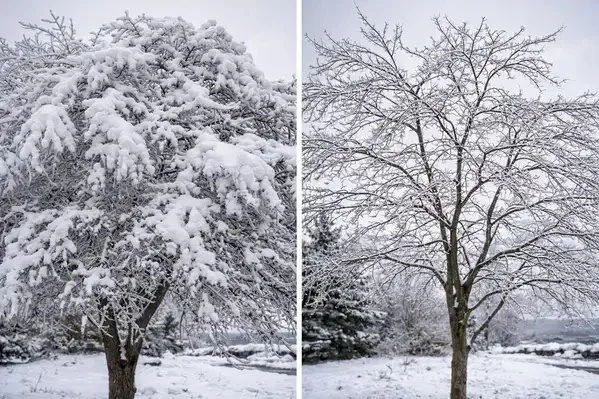
Yes, and it's not even debatable. Structural pruning in fall removes dead wood, weak branch unions, and dense canopies that act like sails in an ice storm. The TCIA's December 2024 guidance specifically recommended removing hazardous limbs before winter.
Here's the contrarian take: most homeowners think pruning is cosmetic. It's not. Structural pruning is engineering. You're changing how load distributes through a canopy. A properly pruned tree sheds ice. An unpruned one collects it. Skip this step and you're gambling hundreds against thousands.
Supporting Young Trees and Top-Heavy Shrubs
Young trees and newly planted shrubs don't have the root mass to anchor through a Rhode Island winter. Stakes and soft ties give them structure. Wrapping shrubs with loose burlap keeps branches from splaying under ice weight. One mistake I see constantly: wrapping too tight. Tight wraps trap moisture and create conditions for fungal disease. Loose is the word.
Why Mulch Matters More in Sandy Coastal Soil
Rhode Island's coastal soils drain fast but lose heat fast too. Roots in sandy soil are more exposed to freeze-thaw cycling than roots in clay or loam. A 3-to-4-inch layer of organic mulch insulates roots and stabilizes soil temperature. Apply after your final fall watering, before the first hard freeze.
Should You Water Trees Before the Ground Freezes?
Absolutely. A dehydrated branch is brittle. A hydrated one bends. That flexibility is the difference between surviving an ice load and snapping. Deep-water your trees and shrubs in late October or early November, before the ground freezes.
How Does Road Salt Affect Your Trees and Shrubs?
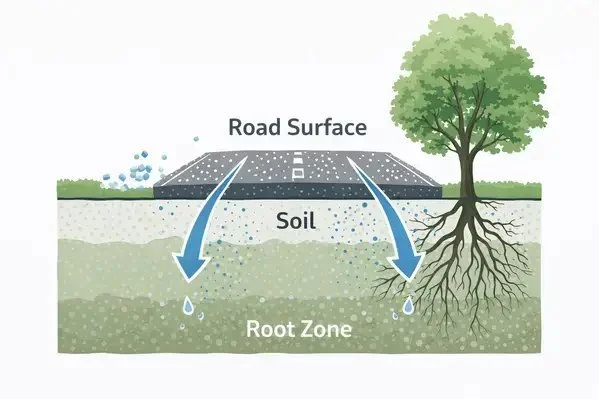
Sodium pulls water from roots, the same mechanism behind ocean salt spray damage. If your property borders a salted road, trees within 30 feet absorb that runoff every winter. Use sand or calcium magnesium acetate near plantings. And rinse salt-exposed foliage with fresh water after storms. The Brooklyn Botanic Garden's coastal recovery research documented how sodium degrades soil structure and kills beneficial organisms, compounding year after year.
What Should You Do After an Ice Storm Hits?
Prevention only goes so far. When a storm rolls through, you need a response plan. Rhode Island saw significant ice events in February 2026, and the homeowners who responded correctly in the first 48 hours saved thousands compared to those who waited.
Assessing the Damage Safely
Walk your property after a storm and look for broken branches, split trunks, and leaning trees. Check anything near power lines, driveways, or structures first. Those are safety hazards, not garden projects.
Can You Remove Ice from Branches Without Making It Worse?
Do not shake or knock ice off branches. Frozen wood is brittle, and the force causes splits worse than the ice itself. For shrubs bent under snow, gently brush upward from the bottom with a broom. Let ice melt naturally.
Pruning Broken Branches the Right Way
Use clean, sharp tools. Cut just outside the branch collar (the swollen ring where the branch meets the trunk). That collar seals wounds. Cut into it and you've opened a pathway for decay. For branches larger than 3 inches, call a professional.
Saving Bent (But Not Broken) Branches
If a branch is bent but the wood isn't cracked, gently reposition it and secure with soft ties. Check ties every few weeks, since ties that are too tight will girdle bark and cause new damage.
Watching for Long-Term Decline
A tree that survives an ice storm in January can start dying in July. Discolored leaves, oozing sap, dieback at branch tips, sudden pest infestations. All trace back to winter stress. Ongoing garden care programs catch these signs early, before a weakened tree becomes a removal job.
When Is It Time to Call a Professional?
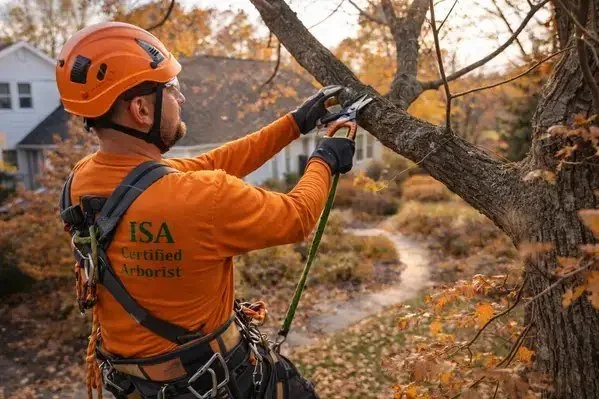
If a tree is near a structure or power line, has a split trunk, or needs work above 15 feet, call an ISA-certified arborist. Rhode Island tree removal runs $900 to $2,200 per tree, with emergency premiums adding 30% to 60%. A USDA Forest Service study on ice storm management found that proper structural assessment after storms prevents cascading failures in weakened trees.

What Makes Rhode Island Coastal Gardens Different?
National guides ignore three compounding factors. Sandy soils anchor poorly, making trees more likely to uproot. Salt spray reaches homes a half-mile from shore and compounds every winter. And coastal wind plus ice can double the effective weight on branches.
What works: plant wind-resistant species like Eastern red cedar and pitch pine. Build windbreaks with hedges or staggered rows of hardy trees. Landscape development that accounts for coastal conditions from the start saves you from retrofitting after every bad winter. And rinse salt-exposed plants with fresh water after storms.
The Real Cost of Skipping Winter Prep
| Service | Proactive Cost | Emergency Cost |
| Structural pruning (per tree) | $200–$800 | N/A (prevention only) |
| Storm damage removal (per tree) | N/A | $900–$2,200+ |
| Emergency premium | None | +30–60% surcharge |
| Cabling/bracing weak unions | $300–$1,000 install | Full removal if union fails |
| Shrub wrapping/support | $50–$200 per shrub | Replacement: $150–$500+ |
Homeowners skip the $200 pruning in October, then pay $3,600 for cleanup in February. We've seen this cycle across dozens of Rhode Island properties. The proactive approach costs 15% to 25% of the reactive one.
Walk your property before winter. Identify trees with deadwood, crossing branches, or dense canopies. Schedule pruning for early fall. Wrap vulnerable shrubs. Mulch. Water deeply one last time. Working with an experienced landscape team that understands hidden winter damage in coastal gardens turns a reactive cycle into a plan that actually protects your property.
FAQs
Will my tree recover from winter damage in a coastal garden?
Trees that retain at least 50% of their crown and have an intact main trunk usually recover with proper pruning and 1 to 2 years of monitoring. Recovery is slower in sandy coastal soils because root systems re-establish more slowly than in heavier inland soils.
Should I shake ice off my trees or shrubs after a storm?
No. Frozen wood is brittle, and shaking can cause splits and fractures worse than the ice itself. For shrubs, gently brush snow upward from the bottom with a broom. Let ice melt on its own.
What trees resist winter damage best in Rhode Island coastal areas?
Red oaks, sugar maples, white pines, Eastern red cedar, and pitch pine handle coastal winters well. Avoid willows and Bradford pears, which have weak wood and shallow roots that fail under ice loads.
Does fall pruning actually prevent winter damage in coastal gardens?
Yes. Structural pruning removes dead wood and weak branch unions before ice adds weight. The Tree Care Industry Association's 2024 guidance recommends pre-winter hazard limb removal as the most effective prevention step.
How much does ice damage cleanup cost in Rhode Island?
Tree removal after storm damage runs $900 to $2,200 per tree in the Rhode Island and Massachusetts coastal region, with emergency premiums adding 30% to 60%. Proactive annual pruning typically costs $200 to $800 per tree.
Can road salt damage my landscape trees and shrubs?
Yes. Sodium from road salt and ocean spray pulls water from roots and degrades soil structure. Properties within 30 feet of salted roads see cumulative damage. Use sand or calcium magnesium acetate as alternatives near plantings.
When should I call a professional for winter-damaged trees?
Call an ISA-certified arborist if any tree is near a power line or structure, has a split trunk, or needs work above 15 feet. DIY work on damaged trees carries liability risk and often causes additional harm that costs more to fix later.
