
How A Seasonal Landscape Plan Protects Long-Term Plant Health
Most homeowners treat their yards like a one-time project. Get the plants in the ground, water them for a couple of weeks, and hope for the best. That approach kills roughly 30% of new plantings within the first year, according to contractor forums and landscape professionals across the Northeast. A seasonal landscape plan flips that script. Instead of reacting to dead shrubs in July, you're preventing the problem in March. The difference between a yard that looks good for one summer and one that gets better every year comes down to timing. And most people get the timing wrong.
Why Does Seasonal Landscape Timing Matter So Much?
Plants don't grow on your schedule. They grow on theirs. Root development in most perennials and woody shrubs kicks in when soil temperatures hit 55°F, which happens at different points depending on whether you're in coastal Narragansett or inland Providence. Plant too early and you risk frost damage. Plant too late and roots don't establish before summer heat stresses the canopy.
I've seen homeowners spend $5,000 on a bed installation in late June, only to replace half of it the following spring. The plants weren't defective. The timing was.
Proper seasonal alignment means roots grow deeper, plants need less water EPA WaterSense data shows proper seasonal irrigation reduces water waste by up to 50%), and your maintenance costs drop year over year instead of compounding.
Spring Planting: Where Most Homeowners Get It Right
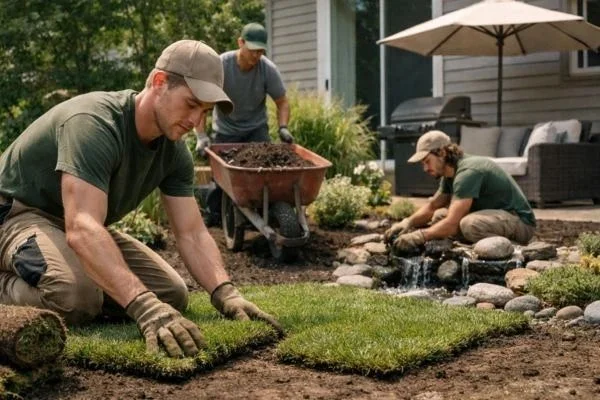
Spring gets all the attention, and for good reason. Warming soil and increased rainfall create a window for strong early root growth. It's the right time for flowering perennials, ornamental shrubs, cool-season grasses, and most garden bed installations.
But here's what almost nobody talks about: spring planting without soil preparation is a coin flip. If your soil is compacted, poorly drained, or nutrient-depleted after winter, those new plants are fighting an uphill battle from day one. A basic soil test runs $15–$30 through your local cooperative extension. I'd argue it's the single best return on investment in any seasonal landscape project.
In Rhode Island, the planting window opens around mid-April for most perennials and tightens by late May as temperatures climb. That's roughly six weeks where conditions favor establishment. Miss it, and your plants spend their first summer surviving instead of growing. If you're unsure whether the investment is worth it, run the numbers on replacement costs versus doing it right the first time.
Is Fall Really the Best Time to Plant in the Northeast?
Yes. And it's not close.
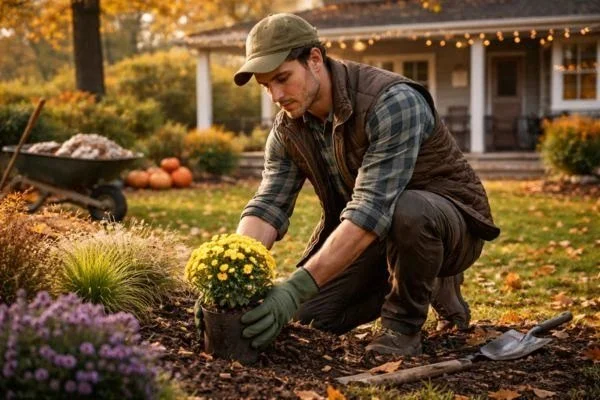
This is the take that most homeowners don't want to hear because they associate fall with shutting things down. But fall planting gives trees, large shrubs, and perennials a head start that spring planting can't match. Cooler air temperatures reduce canopy stress while still-warm soil (often above 50°F through late October in Rhode Island) encourages root expansion.
Plants installed in September or October spend the winter building underground infrastructure. By the time spring rolls around, they've got a root system that spring-planted specimens won't match for another full growing season. NALP's 2026 Plant Trends report backs this up, emphasizing regional natives and fall-timed installations for long-term performance and reduced failure rates. The data isn't new. What's new is that more professionals are finally admitting it to their clients.
What About Summer and Winter?
Summer installations aren't impossible, but they're expensive. You'll need consistent irrigation, closer monitoring, and, realistically, a higher plant replacement budget. I don't recommend summer planting for trees or large shrubs. Annuals and container plants? Fine. But anything going into the ground permanently should wait.
Winter is the planning season. Frozen ground in Rhode Island means no digging from roughly December through early March. Use that time to get your soil tested, review your property's sun exposure patterns, and work with a designer on a planting plan so you're ready to move when the ground thaws.

How Does Soil Health Affect Your Seasonal Landscape Plan?
More than anything else you'll do. Period.
You can time your planting perfectly, pick the right species, and water on schedule. But if your soil pH is off or drainage is poor, plants struggle no matter what. The USDA's updated Hardiness Zone Map shifted several Rhode Island zones warmer in its 2023 update, which changes what you can grow and when. If you haven't checked your zone classification in the past two years, you might be working from outdated assumptions.
Good soil prep includes testing composition, amending organic matter, and making sure grading moves water away from root zones instead of pooling. This is where professional garden restoration pays off. It's not glamorous work, but it's the foundation everything else sits on.
Picking the Right Plants for Rhode Island Properties
Plant selection and timing go hand in hand. A Japanese maple that thrives in a sheltered Newport courtyard will struggle on an exposed Block Island hillside, even if you plant both at the same time. Microclimates matter more than most general planting guides acknowledge.
ASLA's 2026–2030 Climate and Biodiversity Action Plan recommends native species with staggered bloom times. This approach gives you seasonal color without the high replacement rates of non-native exotics, which tend to need 2–3 times more intervention and last only 5–10 years compared to 15–30+ years for well-placed natives.
A solid planting plan factors in sun exposure, soil type, salt tolerance (if you're coastal), and how much time you're willing to spend on upkeep. Being honest about maintenance commitment upfront prevents expensive mistakes later. Anyone designing a low-maintenance landscape should start from that conversation.
What Does a Year-Round Seasonal Landscape Plan Actually Cost?
This won't be a vague "it depends" answer. Here are real numbers based on 2026 data from LawnStarter and Angi.
| Service Level | What's Included | Annual Cost |
| Basic | Mowing, seasonal cleanups | $1,200–$2,000 |
| Mid-Range | Full maintenance, fertilization, timed pruning | $2,500–$4,000 |
| High-End | Design, smart irrigation, professional seasonal monitoring | $5,000+ |
In the Northeast, expect to pay roughly 30–40% more than the national averages. LawnStarter's 2026 city-level data shows Rhode Island service costs ranging from $49–$3,379 depending on property size and scope. The national average for professional landscaping services sits at $3,647 according to Angi's December 2025 data.
The math gets interesting when you compare those numbers against replacement costs. Full bed replacement after plant failure runs $2,000–$10,000, depending on scope. A $3,000 annual maintenance plan that prevents even one major replacement pays for itself. Finding a team that understands your property's seasonal needs makes the difference between spending money and investing it.
Why One-Time Installs Fail Without Ongoing Care
This is the part that most landscaping articles gloss over. They'll tell you what to plant and when, then end with "now enjoy your beautiful yard." That's not how it works.
Seasonal landscape care is a cycle, not a project. Spring soil prep feeds summer growth. Summer monitoring catches problems before they spread. Fall planting builds next year's root systems. Winter planning prevents spring scrambling. Skip any part of that loop, and the whole thing degrades.
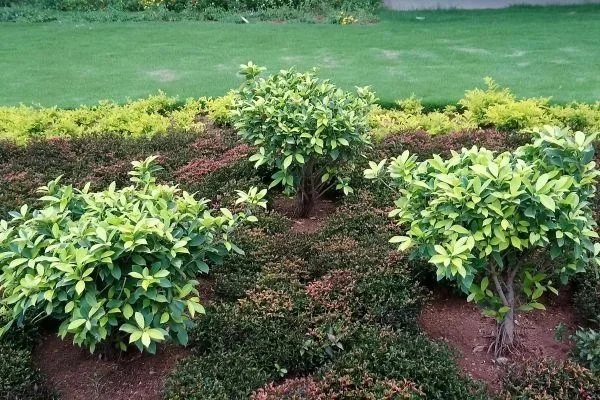
I've watched properties that looked incredible after installation turn into replacement projects within two years because nobody maintained the seasonal rhythm. A seasonal advisory program keeps things on track without requiring you to become a part-time gardener.
The landscaping industry hit $188.8 billion in 2025, according to IBISWorld data cited by NALP's industry statistics, growing at 5.8% year-over-year. That growth is being driven by maintenance contracts, not one-time installs. The market is telling you something. The smartest homeowners are investing in seasonal landscape care as an ongoing strategy, not a weekend project.
FAQs
What is a seasonal landscape plan?
A seasonal landscape plan is a year-round schedule that aligns planting, pruning, fertilizing, and watering with each season's conditions. Properties that follow one see roughly 30% fewer plant losses in the first year compared to those that don't, based on Northeast contractor data.
When is the best time to plant trees and shrubs in Rhode Island?
Fall, specifically September through mid-October. Soil temperatures stay above 50°F through late October in most of Rhode Island, which gives roots 6–8 weeks to establish before the ground freezes. Spring planting works too, but fall-planted specimens consistently outperform by the following growing season.
How much does seasonal landscape maintenance cost per year?
Basic seasonal maintenance (mowing plus cleanups) runs $1,200–$2,000 annually. Mid-range plans with fertilization and timed pruning cost $2,500–$4,000. Full-service programs, including design and smart irrigation, start at $5,000. Northeast costs run 30–40% above national averages according to LawnStarter's 2026 data.
Does seasonal landscape care actually save money long-term?
Yes. Full bed replacement after plant failure costs $2,000–$10,000 per project. A $3,000 annual maintenance plan that prevents even one major replacement pays for itself in the first year. EPA WaterSense data also shows proper seasonal irrigation cuts water waste by up to 50%, lowering utility costs.
Should I use native plants in my seasonal landscape plan?
In most cases, yes. Native species adapted to your USDA hardiness zone last 15–30+ years with minimal intervention. Non-native exotics typically need 2–3 times more care and last only 5–10 years. ASLA's 2026–2030 Climate Action Plan specifically recommends natives with staggered bloom times for long-term resilience.
How does soil health affect seasonal planting success?
Soil health is the single biggest factor. Poor drainage, wrong pH, or compacted soil will undermine even perfectly timed plantings. A basic soil test costs $15–$30 through a cooperative extension and tells you exactly what amendments you need before putting anything in the ground.
Can I plant during the summer in the Northeast?
You can, but it's more expensive and riskier. Summer installations need consistent irrigation and closer monitoring. Annuals and container plants handle summer planting fine, but trees and large shrubs should wait for fall when cooler air and warm soil create better establishment conditions.
