
Spring Garden Design Trends For New England Estates
The best spring gardening ideas for New England don’t come from generic Pinterest boards or national magazines. They come from knowing what actually survives here. Zones 5b through 7a, acidic soil, freeze-thaw cycles that crack pavers, deer that treat your hostas like a salad bar. The homeowners who get the best results plan around those conditions instead of pretending they live in Virginia.
Spring garden design in New England means picking plants rated for your hardiness zone, testing your soil before spending a dollar, and choosing a style that won’t fall apart by August.
We won’t cover vegetable gardening or indoor seed starting here. This is about the outdoor ornamental garden and how to make it look great from May through October.
What Makes Spring Gardening Different in New England?
Short growing seasons and unpredictable late frosts are the obvious answers. But the bigger factor is soil. Most of New England sits on acidic ground, typically pH 5.5–6.0. That’s fine for rhododendrons, azaleas, and blueberries. It’s terrible for lavender, most herbs, and anything that wants neutral pH.
I’ve seen homeowners drop $3,000–$5,000 on plants that die within 18 months because nobody tested the soil first. The UMass Soil Testing Lab charges $20 for a full report. It’s the cheapest insurance you’ll buy.
The other factor people ignore is the freeze-thaw cycle. New England doesn’t just get cold. It gets cold, warms up, freezes again, and repeats from November through April. That heaving breaks shallow root systems and cracks hardscape materials. UMaine’s cooperative extension program has been stressing climate-adapted planting for this reason.
How Should You Prepare Your Garden This Spring?
Clean up first, plant later.
Walk your property and inspect raised beds, stone walls, and permanent containers for winter damage. Cracked mortar, rotted wood, and shifted pavers are common after a New England winter. Fix these before you plant.
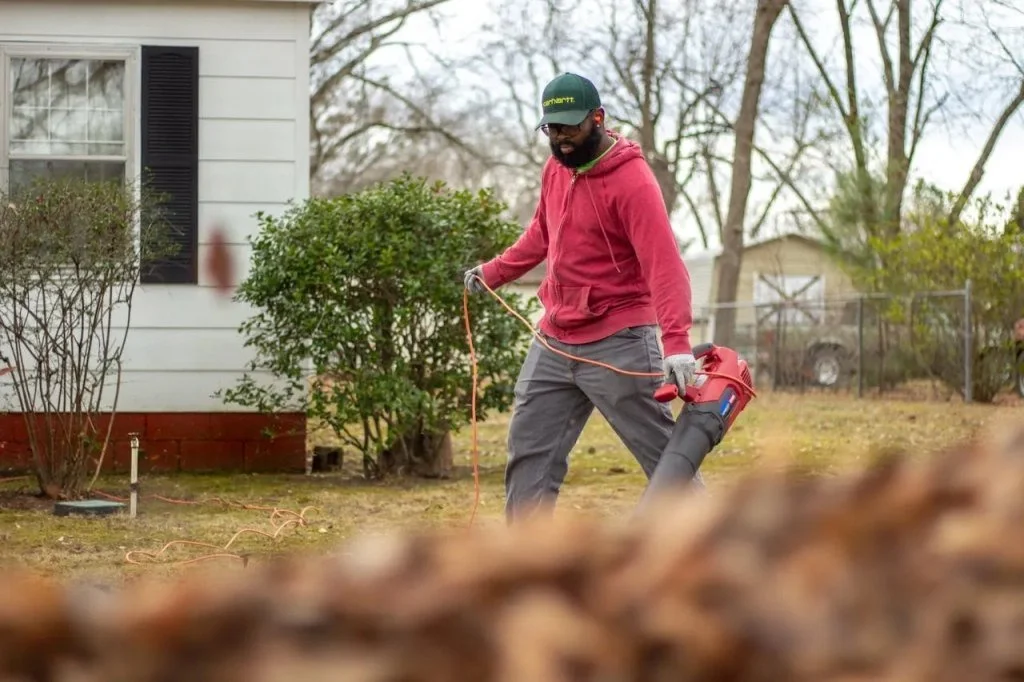
Rake out dead foliage and decaying plant material. That debris harbors diseases and pest populations that attack new growth. Cut back perennials to make room for spring shoots. Ornamental grasses should come down to 4–6 inches.
If you have a seasonal garden care plan, spring cleanup is already on the calendar. If not, get it done before mid-April in southern New England or early May further north. And get a soil test. Roughly 60% of the garden failures I see trace back to soil problems that a $20 test would have caught.
Native Plants Aren’t Optional Anymore
Here’s the contrarian take. The old approach of loading up on imported ornamentals (Japanese maples everywhere, English roses in every bed) is expensive to maintain and increasingly unreliable in New England’s shifting weather patterns.
The National Association of Landscape Professionals’ 2025 trend report confirmed what practitioners already knew. Naturalistic landscapes using native plants are replacing rigid, manicured designs.
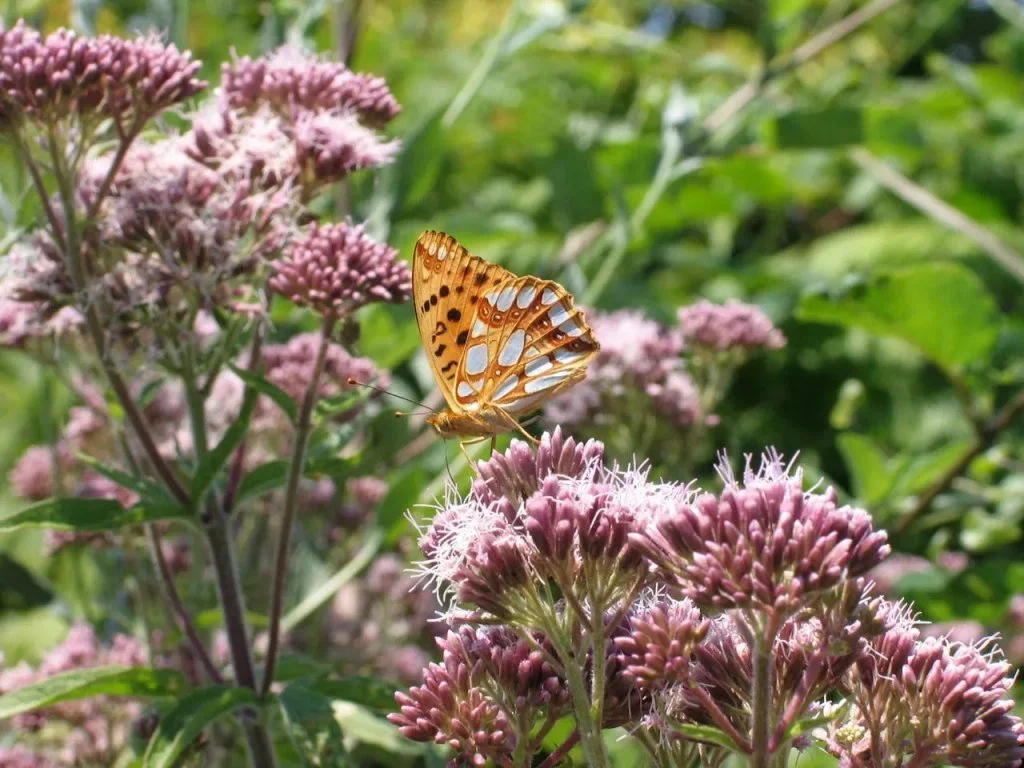
That doesn’t mean your garden has to look wild. It means the backbone should be species that evolved here. New England aster, joe-pye weed, winterberry holly, and serviceberry all look fantastic in designed settings and support local pollinators.
The most expensive mistake on larger properties is planting non-resilient species without climate testing. Vendors market natives as “low-maintenance,” but they need establishment care during year one. After that, they mostly take care of themselves.
10 Spring Garden Ideas That Work in New England
1. Convert Lawn Space Into Layered Beds
If you’re mowing a huge lawn every week, you’re burning time and money on the least interesting part of your yard. Carve out a section and build a layered bed. Groundcover up front, shrubs in the middle, small ornamental trees in the back. The principles of good landscape design apply here. Depth and height variation that a flat lawn can’t match.
2. Anchor the Design with a Focal Point
A sundial, birdbath, or large stone at the center of a planting bed gives the whole space a visual anchor. Plants radiate outward from it. Little extra cost, big visual return.
3. Build a Contemplation Nook Where Nothing Grows
Every garden has a dead zone. Too shady, too dry, too compacted. Stop fighting it. Lay down flagstone or permeable pavers ($10–$30 per square foot installed), add a bench and a decorative planter. Problem area becomes the most relaxing spot on your property. A sensory garden approach works well in these corners.
4. Add Sculptural or Whimsical Accents
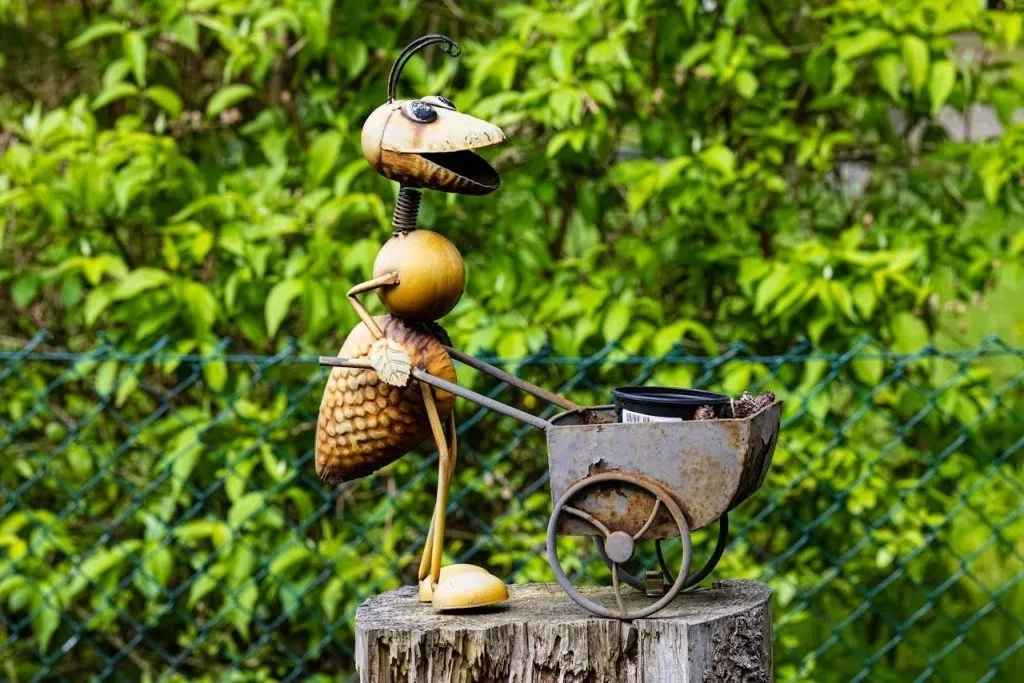
Metal animal sculptures, modern statuary, or oversized pottery inject personality that plants alone can’t deliver. One statement piece per garden zone. More than that and it starts looking like a yard sale.
5. Repurpose Old Objects as Garden Features
An old window frame becomes a planter. A vintage ladder becomes a trellis. Salvaged iron gates make entrances. These touches give tall-growing plants like clematis something to climb. Costs almost nothing from salvage yards or estate sales.
6. Plan for All-Season Color
This is where most New England gardens fail. People plant for June and forget about September. Mix annuals and perennials with staggered bloom times: spring bulbs, summer coneflowers and daylilies, fall asters and sedum. A fine gardening program takes this kind of seasonal planning off your plate.
7. Install a Winding Pathway
Paths slow people down and pull them into the garden. Wood chips and natural stone feel right in a New England setting. Manufactured pavers work for structured designs. Either way, a path creates movement and makes the garden feel bigger.
8. Create a Welcoming Entrance
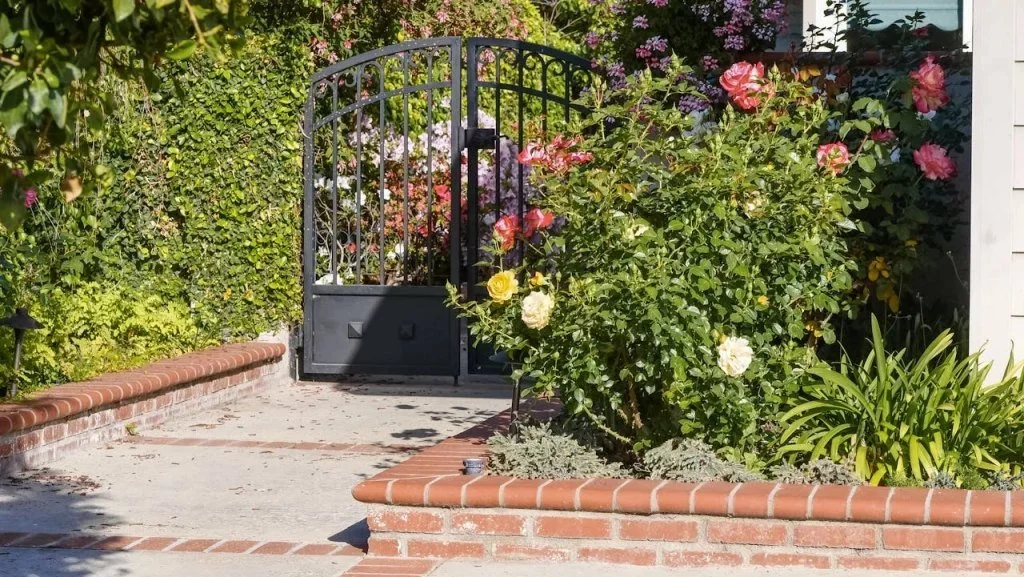
An arbor with climbing hydrangea, a low stone wall with perennials spilling over, or a simple pair of lantern posts. The entrance sets expectations and tells visitors that what’s beyond is worth paying attention to.
9. Use One Bold Object to Anchor a Bed
A single large vase in a complementary color, placed inside a planting bed, draws the eye immediately. Zero maintenance. High impact. Pick a color that contrasts with the dominant foliage or bloom color around it.
10. Define Zones with Living Screens
Privacy screens made from ornamental grasses, arborvitae, or mixed shrub borders create distinct garden “rooms.” Each zone gets its own color palette and plant selection. It’s one of the more sophisticated ways to turn outdoor space into something functional.
What Does Spring Garden Design Cost in New England?
Northeast projects run 20–35% above national averages. According to Bureau of Labor Statistics data from 2024, median grounds maintenance wages sit at $18.50 per hour. DIY saves 50–70% on installation but takes months and carries no warranty. For anything beyond basic beds, working with a team that understands regional conditions is usually worth it.
Make Your Plan Now, Plant When the Ground Says So
Spring gardening ideas for New England only matter if you act before the planting window closes. March and early April are for planning and soil testing. Late April through May is when things go in the ground.
Don’t rush it. A late frost can wipe out everything you planted in a warm April weekend. Check your local planting timeline and respect the calendar your region gives you. The best spring gardening ideas for New England start with the conditions outside your door, not the trends on your screen.
Frequently Asked Questions About Spring Gardening in New England
What are the best spring gardening ideas for New England beginners?
Start with a soil test (available through UMass for $20), then focus on native perennials like coneflowers, black-eyed Susans, and New England aster. These species are rated for zones 5b–7a and don’t need heavy maintenance after their first season. Layered bed design with groundcover in front and shrubs behind gives you a professional look without professional complexity.
When should I start planting in a New England spring garden?
In southern New England (Rhode Island, Connecticut, coastal Massachusetts), you can begin planting hardy perennials and cool-season crops in late April. Further north, wait until mid-May. Always check your last frost date before putting anything in the ground. A late May frost can destroy an entire planting done two weeks too early.
Which native plants grow best in New England spring gardens?
Top performers include New England aster, joe-pye weed, winterberry holly, inkberry holly, serviceberry, and catmint. For shade, astilbe and hostas are reliable. Lilacs and rhododendrons deliver strong spring bloom with minimal care once established.
Do I need to test my soil before starting a spring garden?
Yes. Most New England soil runs acidic (pH 5.5–6.0), which affects what will grow well. A $20 test from the UMass Soil Testing Lab tells you your pH, nutrient levels, and organic matter content. Skipping this step is the single most common cause of plant failure in the first two seasons.
How do freeze-thaw cycles affect spring garden design in New England?
Repeated freezing and thawing heaves shallow root systems, cracks pavers, and shifts stone walls. This is why hardy, deep-rooted native species outperform shallow-rooted ornamentals here. Permeable hardscape materials designed for frost conditions cost more upfront ($10–$30 per square foot) but last significantly longer.
